

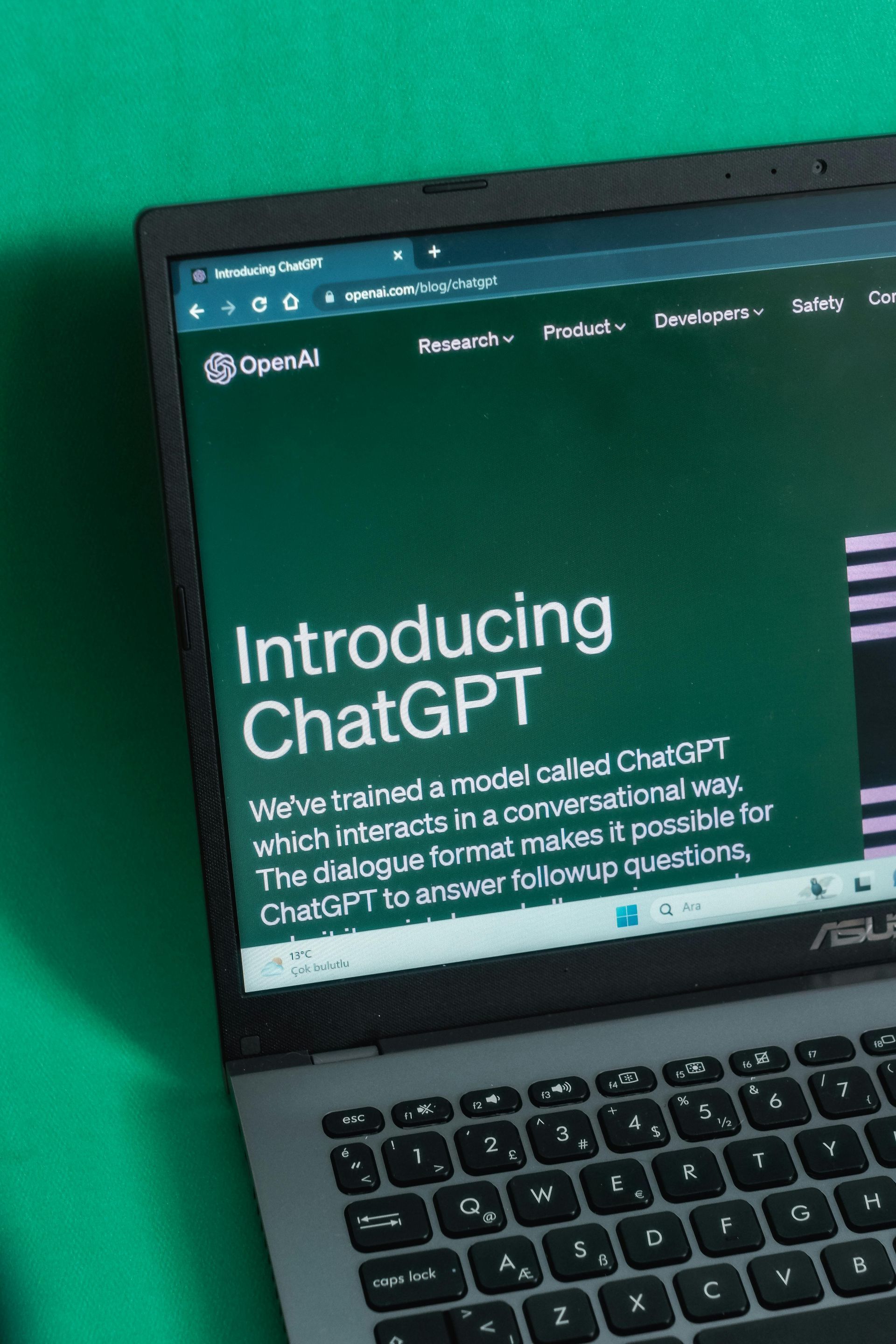
Not long ago, customers searched the web in a predictable way: typing a few keywords into Google and scrolling through a list of links. Today, things look very different. People are now turning to AI tools like ChatGPT, Gemini, Perplexity, Copilot, and voice assistants to find businesses, compare services, and make purchasing decisions. Instead of simply typing "tire shop near me," they are asking questions like: Which tire shop in my area has the best prices? What auto repair shop is honest and reliable? Who can install my tires and give me a breakdown of all the fees? AI-powered search can provide direct answers and recommendations, often without requiring the user to scroll through a traditional list of search results. Is Your Business Showing Up in AI Search? If your website is not optimized for AI-driven search, your business could be missing opportunities to appear when potential customers ask AI tools for information about local services. As more customers use AI to research businesses, compare options, and make decisions, having clear, trustworthy, and well-structured website content is becoming increasingly important. AI Search vs. Traditional Search: What's Changed? 1. AI Provides Answers, Not Just Links Traditional search engines typically provide users with a list of websites to explore. AI-powered search can analyze information from multiple sources and provide a direct response to a user's question. If your website does not clearly explain your services, locations, expertise, and business information, AI systems may have difficulty understanding when your business is relevant. 2. AI Focuses on Understanding, Not Just Keywords Keywords still matter, but simply repeating keywords throughout a page is not an effective strategy. AI-powered search systems benefit from content that provides clear context and useful information, including: Clear service descriptions Accurate business information Well-organized page structure Easy-to-understand content Helpful answers to common questions Strong reputation and trust signals The goal is to make it easy for both search engines and AI systems to understand who you are, what you do, where you operate, and why your business may be relevant to a customer's question. 3. AI Search Is Conversational People interact with AI differently than they interact with traditional search engines. Instead of searching for short phrases, users can ask detailed questions in a natural, conversational way. Your website should provide useful answers in a similar style. Clear, conversational content can help search engines and AI systems better understand your services and connect your business with relevant customer questions. What Does It Mean to Make Your Website AI-Searchable? Making your website AI-searchable means creating a digital presence that is easy for search engines, AI systems, and customers to understand. Several elements can help strengthen that foundation. Clear and Complete Service Pages Each major service should have useful content explaining what the service is, what problems it addresses, and what customers can expect. AI systems should be able to quickly understand what your business does and where those services are available. FAQs That Answer Real Customer Questions Frequently asked questions provide direct answers to the same types of questions customers may ask Google, ChatGPT, Gemini, Perplexity, Copilot, and voice assistants. Well-written FAQs can also strengthen the overall context and usefulness of your website. Structured Data and Schema Markup Schema markup gives search engines structured information about your business, including locations, services, business details, and other relevant information. Proper structured data can help machines better interpret the information already presented on your website. Consistent Business Information Across the Web Your business name, address, phone number, hours, website, and location information should remain accurate and consistent across important online platforms. Conflicting information can make it more difficult for customers and search systems to determine which information is correct. Fast, Mobile-Friendly, Secure Website Design Your website should provide a strong experience across desktop and mobile devices. Fast loading times, mobile-friendly layouts, secure HTTPS connections, clear navigation, and accessible content all contribute to a better experience for customers. Human-Focused, Helpful Content Content should be written for customers first. Explain services clearly. Answer questions. Provide useful information. Show customers what makes your business different. The easier your website is to understand, the easier it is for search engines and AI systems to interpret your business. How Your Business Can Stay Competitive in AI Search 1. Write Content the Way Your Customers Ask Questions Customers often use conversational language when interacting with AI. Build content around the actual questions customers ask about your services, pricing, appointments, repairs, products, warranties, and processes. 2. Build Strong FAQ Sections on Major Pages Add relevant FAQs to important service and location pages. Focus on useful questions with clear, direct answers rather than creating FAQs solely for keywords. 3. Add Schema Markup Use appropriate structured data to help search engines understand your business and website content. Depending on the page and available information, this may include LocalBusiness, AutoRepair, Service, Organization, and other applicable schema types. 4. Keep Your Google Business Profile Accurate Make sure your Google Business Profile contains accurate business information, services, categories, hours, photos, and other relevant details. Customer reviews can also provide valuable reputation signals and additional context about your business. 5. Keep Your Website Technically Sound Your website should be fast, secure, mobile-friendly, easy to navigate, and accessible to search engines. Technical SEO remains an important foundation for both traditional and AI-powered search. 6. Build Trust With Real, Useful Content Show your expertise. Explain your services and processes. Answer customer questions. Highlight your experience. Provide information customers can actually use. The goal is not to write content specifically for an algorithm. The goal is to create a website that clearly communicates your expertise and gives customers useful answers. AI Search Is Already Here. Is Your Business Ready? Customers are already using AI tools to research products, services, and local businesses. They want clarity. They want confidence. They want useful answers quickly. As the way people search continues to evolve, busines
Running an auto repair shop today requires more than skilled technicians and quality parts. Customers expect convenience, fast communication, and personalized service from the moment they search for you online. Shops that rely on paper calendars, manual follow-ups, or inconsistent communication are falling behind. That’s why more automotive businesses are turning to CRM systems, automated scheduling tools, and marketing automation to operate more efficiently and deliver a better customer experience. These tools don’t just save time—they help you grow. CRM: The Foundation of Customer Relationships A CRM (Customer Relationship Management) system helps auto repair shops: Keep customer records organized Track service history and reminders Manage quotes, follow-ups, and approvals Store vehicle information Automate service reminders Improve communication and customer satisfaction Instead of digging through old paperwork or relying on memory, a CRM provides a full picture of every customer and vehicle. This level of organization builds trust and increases repeat business. Automated Scheduling: A Must-Have for Busy Shops Today’s customers want simplicity. They don’t want to call, wait on hold, or guess when you’re available. Automated scheduling tools allow customers to: Book appointments 24/7 Choose available time slots Select services they need Receive reminders and confirmation messages Reduce no-shows and scheduling errors A smart online scheduler increases productivity and allows your staff to focus on customers on-site—not juggling phone calls. Shops that use online schedulers report higher appointment rates and reduced administrative workload. Marketing Automation: Consistency Wins Most auto shops only market when business slows down, but this reactive approach leads to inconsistent results. Marketing automation helps you: Send service reminders automatically Run promotions that target the right customers Re-engage inactive customers Generate reviews on autopilot Nurture leads from your website or social media Build long-term brand loyalty Automated marketing ensures your shop stays visible year-round—without you having to manage everything manually. Why These Tools Are Essential for Auto Shop Growth Together, CRM systems, online scheduling, and automated marketing tools help your shop: Operate more efficiently Deliver a better customer experience Increase repeat business Reduce missed opportunities Stay competitive in a tech-driven market In an industry where trust and speed matter, technology gives your shop the edge. How Merrick Auto Helps Implement CRM, Scheduling, and Marketing Tools Merrick Auto works directly with automotive shops to choose, set up, and manage the right digital tools for growth. Merrick Auto provides: CRM setup and customization Integration with your website and booking system Automated appointment scheduling tools Marketing automation for email, text, and promotions Review generation systems Workflow optimization tailored to auto repair shops Ongoing support so your tools keep working for you We make the technology simple so you can focus on what you do best: repairing cars and serving customers. Set Your Shop Up for Success With Merrick Auto Digital tools are no longer optional. They’re essential for auto shops that want to grow, operate efficiently, and compete in today’s market. Merrick Auto is your one-stop digital agency for: CRM implementation Auto-scheduling systems Automated marketing campaigns AI-search optimization Website development Branding and digital identity If you want your auto repair business to run smoother, book more appointments, and stay top-of-mind with customers, Merrick Auto is here to help. Contact Merrick Auto today to learn how smart digital tools can transform your shop’s workflow, communication, and long-term success.

In today’s fast-paced digital world, most customers searching for auto repair services are doing it from their phones—often while dealing with unexpected car trouble. Whether they’re stranded, need directions, or are comparing prices on the go, your website must be fast, clean, and mobile-first. If your auto repair website isn’t designed for a seamless mobile experience, you’re losing customers every single day. And in an industry where convenience and trust matter most, a slow or outdated site can push potential customers straight to your competitors. Mobile Usage Is Dominating Automotive Searches According to recent industry data: Over 70% of auto repair and tire shop searches happen on mobile devices . More than 50% of users abandon a site that takes longer than 3 seconds to load . Local searches like “auto repair near me” have increased dramatically on mobile. Google’s Mobile-First Indexing means your mobile site is now your primary site . This means customers aren’t experiencing the desktop version—you may be proud of it, but most people will never see it. They’re experiencing the mobile version first , and that determines whether they call, book, or click away. What Makes a Strong Mobile-First Auto Repair Website? 1. Fast Loading Speed Searchers in distress don’t wait. Your site must load in under 2 seconds. Speed affects: Customer trust Bounce rates Google rankings AI search visibility 2. Clear Navigation and Buttons Mobile users want: A click-to-call button Service list buttons A simple appointment scheduler Easy access to hours and address Directions in one tap Confusing navigation kills conversions. 3. Modern, Clean Design Automotive customers associate website quality with shop quality. If your site looks outdated, they assume your shop might be too. Clean layouts build confidence. 4. Tailored Mobile Content Long paragraphs, tiny text, and desktop-heavy layouts don’t translate well. Mobile visitors want bite-sized information that answers their questions quickly. 5. Integrated Online Scheduling Modern customers expect to book services instantly. If you don’t offer mobile scheduling, they’ll choose a shop that does. 6. Schema Markup for Mobile SEO & AI Search Google and AI tools rely heavily on structured data, especially for mobile-first indexing. Schema helps your shop appear in: Local search packs AI-generated summaries Featured answers Map listings How Merrick Auto Builds Mobile-First Websites for Auto Repair Shops Merrick Auto specializes in modern, fast, and high-converting websites built specifically for automotive businesses. We create: Lightweight, responsive designs One-tap calling, texting, and scheduling Lightning-fast page load times Clear service layouts optimized for mobile SEO Integrated booking tools AI-ready site structure and content A mobile-first website isn’t just an upgrade—it’s a necessity for capturing today’s customers and appearing in AI-based search results. Let Merrick Auto transform your website into a powerful mobile-first platform that boosts calls, appointments, and customer trust.

Reputation is everything in the auto repair industry. Customers want to know they can trust you before they hand over their keys, and today, that trust is formed online—through reviews. Reviews aren’t just about stars anymore. They impact: Google visibility AI search recommendations Local map ranking Customer trust Conversion rates Repeat business If your shop isn't actively managing its review strategy, you’re falling behind. Why Reviews Matter More Than Ever 1. Customers Trust Reviews More Than Ads Studies show: 93% of consumers read online reviews before choosing a local business. 87% trust reviews as much as personal recommendations . Shops with strong ratings receive significantly more calls and inquiries. Reviews act as your online word-of-mouth. 2. Google Rankings Depend on Reviews Google uses reviews as a major ranking factor. High-rated shops appear: At the top of local listings In Google Maps In “Best Auto Shops Near Me” queries In AI-assisted search responses Google’s algorithm prioritizes: Number of reviews Review frequency Review quality Review responses 3. AI Search Tools Pull Reputation Data AI platforms like ChatGPT, Perplexity, and Bing rely heavily on public reputation signals. They summarize reviews and use them to determine who to recommend. A shop with weak reviews may never appear in AI’s recommended list, even with a strong website. 4. Responding to Reviews Is Now Critical Google and AI both evaluate how shops respond to: Positive reviews Negative reviews Customer complaints Feedback Thoughtful responses show you care about customers and improve your shop’s trust score. 5. Reviews Influence Higher-Ticket Work Services like: Transmission repair Engine diagnostics Brake jobs Tire replacement AC repair Electrical work …all rely heavily on trust. Customers will only authorize expensive repairs from shops they feel confident in. How Merrick Auto Helps Shops Build a Strong Reputation Merrick Auto offers a complete review and reputation solution: Automated review requests after service Text and email follow-up systems Reputation monitoring tools Professional response templates Google Business Profile management Review-building campaigns AI-optimized review summaries We ensure your shop’s reputation grows steadily, authentically, and consistently—making you the obvious choice for new customers and AI search tools. Let Merrick Auto build your online reputation into your shop’s strongest asset.

In an industry filled with similar-looking competitors, strong digital branding is one of the most powerful tools an auto repair shop can use to rise above the noise. Branding is more than a logo—it’s the personality, trust, and experience your business conveys online. Shops with memorable branding attract more customers, generate more referrals, and are chosen more often in AI-generated recommendations. What Is Digital Branding for Auto Repair Shops? Digital branding includes: Your logo and color palette Website design and tone Photography and visuals Service menus and price sheets Social media presence Content style and voice Online reputation Customer communication style These elements combine to create a unified identity—a story that tells customers who you are. Why Branding Is Essential in the Automotive Industry 1. Customers Choose Brands That Feel Trustworthy When someone is deciding who to trust with their vehicle, appearance matters. A polished brand communicates: Professionalism Quality Reliability Organization Experience 2. Strong Branding Improves Conversions A well-designed website and consistent brand identity increase: Appointment bookings Call volume Customer confidence Repeat business 3. Branding Helps You Compete in a Crowded Market Auto repair is competitive. Branding creates: Differentiation Memorability Customer loyalty Word-of-mouth identity 4. Branding Affects AI Search Perception AI tools evaluate brand signals such as: Reputation Consistency Content quality Visual presentation Customer feedback The more professional and consistent your brand appears, the more likely AI is to consider your shop authoritative. 5. Branding Boosts All Your Marketing Efforts Every marketing dollar works harder when your brand is: Recognizable Consistent High-quality It lowers your cost per lead and increases return on investment. How Merrick Auto Builds Strong Branding for Auto Repair Shops Merrick Auto specializes in automotive branding with services including: Custom vector logos Full brand identity systems Website design and brand integration Modern color schemes and typography Service menus and digital assets Social media styling Consistent messaging and brand voice We help your shop look as professional online as it operates in the real world—giving customers confidence before they even contact you. Strong branding turns your auto repair shop into a recognizable, trusted, and respected business. Merrick Auto can build that for you.

In the modern automotive industry, simply having a website is no longer enough. Auto repair shops need consistent, high-quality leads to stay profitable—and they must also have a proper system in place to convert those leads into paying customers. Unfortunately, many shops rely on outdated methods like walk-ins, referrals, or sporadic advertising, leaving thousands of dollars in lost revenue on the table. Lead generation isn’t just about getting attention. It’s about creating predictable opportunities for your business. The Best Lead Generation Tools for Auto Repair Shops 1. Online Booking and Service Request Forms Customers want fast, convenient ways to reach you. An online scheduler or service request form captures customer information instantly and turns website visitors into leads. 2. Chatbots and Website Live Chat Chat tools answer customer questions instantly and collect: Names Phone numbers Vehicle details Service needs Shops using chat tools convert significantly more website traffic into appointments. 3. Automated Follow-Up Systems Email and SMS follow-ups ensure no lead slips through the cracks. These reminders build trust and encourage customers to book. 4. Special Offers, Coupons, and Digital Promotions Lead magnets—like discounts, free inspections, or seasonal offers—add urgency and get customers to take action. 5. Landing Pages for High-Intent Searches If someone searches “brake repair near me,” a dedicated landing page captures that specific lead with maximum conversion power. Why Converting Leads Is More Important Than Getting Them The average auto repair shop loses 40–60% of potential customers due to slow response times, lack of follow-up, or unclear service information. Lead conversion increases revenue exponentially without spending more on advertising. Conversion requires: Fast communication Clear pricing Automated reminders Professional branding Strong appointment systems When your shop masters conversion, your marketing becomes more cost-effective—and your growth becomes predictable. How Merrick Auto Helps Auto Shops Generate and Convert More Leads Merrick Auto provides the complete lead-generation ecosystem for automotive businesses: AI-ready websites designed to convert Online scheduling integration Live chat and chatbot setup Lead capture tools and automation CRM connection for tracking opportunities High-converting landing pages Follow-up systems to keep leads warm Digital offers that boost conversions But Merrick Auto does more than marketing. We partner with coaches, operations experts, and automotive consultants who help shops: Improve workflow Increase closing rates Train service advisors Boost profit margins Strengthen customer experience Merrick Auto isn’t just a digital agency—we’re your growth partner. We equip you with the tools, systems, and support to turn leads into lasting revenue.

Every auto repair shop wants loyal customers—those who return for every oil change, repair, and maintenance need. But loyalty doesn’t happen by accident. It’s built through consistency, communication, and trust. The best shops don’t just “fix cars”—they build relationships. And those relationships turn into referrals, which turn into more long-term customers. What Makes Customers Loyal to an Auto Repair Shop? 1. Trust and Transparency Customers need to feel confident that you’re giving honest recommendations and fair pricing. 2. Consistent Communication Text updates, appointment reminders, and service follow-ups make customers feel taken care of. 3. Positive Service Experience A friendly atmosphere, clean waiting area, and professional service advisors make a big difference. 4. Rewards for Returning Customers Loyalty programs, referral incentives, and VIP memberships increase repeat business. 5. Digital Presence That Builds Confidence A strong website, good reviews, and informative content reassure customers before they ever walk in. How to Keep Customers Coming Back—and Referring Others Provide clear estimates and explanations Always follow up after service Thank customers personally Educate customers about preventive maintenance Use digital tools to stay connected Ask for reviews at the right time Offer referral bonuses Happy customers become your best marketing channel. How Merrick Auto Helps You Build Customer Loyalty and Trust Merrick Auto equips auto repair shops with systems that keep customers engaged: Automated service reminders SMS follow-up systems Professional service explanations Branded customer portals and online tools Review generation and reputation management Loyalty and referral program setup With Merrick Auto’s digital tools, your shop builds a reputation customers trust—leading to consistent referrals and long-term business relationships. We don’t just help you get customers. We help you keep them.
Many auto repair shops struggle not because of lack of demand, but because they don’t have the right tools, technologies, or trained staff to capture and manage that demand effectively. A shop with the right systems can thrive—even in a competitive or slow market. The Right Tools Build the Right Process 1. CRM Systems Keep customer history, communication, and service records organized. 2. Online Scheduling Tools Increase appointments and reduce phone workload. 3. Workflow and Inspection Tools Digital inspections increase transparency and boost revenue per repair order. 4. Marketing Automation Consistently brings customers back without manual effort. 5. AI-Optimized Websites Capture leads and rank better in both Google and AI search tools. The Right People Turn Processes Into Revenue Even the best tools fail without: Trained service advisors Strong customer communication Leadership skills Proven operational systems Sales coaching and support This is where many shops fall short. How Merrick Auto Helps You Build a Profitable, Scalable Operation Merrick Auto connects auto repair shops with: The right digital tools The right marketing systems The right operational partners The right business coaches We partner with automotive consultants who specialize in: Staff training Workflow optimization Profit growth Customer experience improvements Sales and communication coaching When the right tools meet the right people, your shop becomes unstoppable—and your revenue becomes predictable.

Local SEO is one of the most powerful ways for independent auto repair shops to compete—not just with other small shops, but with major national franchises. Franchises have massive budgets, but small shops have local credibility, speed, personalization, and authenticity. With the right SEO strategy, your shop can outrank even the biggest competitors in your area. Why Local SEO Matters Local SEO determines whether your shop appears when customers search: “Auto repair near me” “Brake repair [your city]” “Honest mechanic in my area” “Oil change near me open now” These searches lead directly to phone calls and appointments. Strategies to Win Local SEO Against Big Chains 1. Build High-Quality Local Content Service pages for each offering, city pages, FAQs, and guides signal expertise. 2. Optimize Your Google Business Profile Accurate info, weekly posting, photo uploads, and fast responses boost your ranking. 3. Get More Customer Reviews Than Your Competitors Reviews are a major local SEO ranking factor. A small shop with strong reviews can outperform a franchise with weak ones. 4. Use Local Keywords and Neighborhood-Based Targeting Include surrounding areas, zip codes, and well-known landmarks. 5. Add Schema Markup to Your Website This helps Google and AI tools understand your services better. 6. Earn Local Backlinks Partnerships, sponsorships, and local directories boost credibility. 7. Build a Fast, Mobile-First Website Google rewards websites that load quickly and offer a strong user experience. 8. Showcase Real Photos and Authentic Branding Big franchises often use stock images—your authenticity builds trust. How Merrick Auto Helps You Win Local SEO Battles Merrick Auto provides a complete Local SEO strategy tailored to auto shops: Google Business Profile optimization High-ranking service pages City landing pages Schema markup Speed optimization Review-building systems AI-search optimization Authentic branding and imagery Local link-building strategies With the right digital foundation, your independent shop can outperform even the biggest franchise locations nearby. Merrick Auto helps you dominate your local market—fair and square.

The body content of your post goes here. To edit this text, click on it and delete this default text and start typing your own or paste your own from a different source.